- News
- entertainment
- marathi
- movies
- Sabar Bonda director Rohan Kanawade: Now is a good time for independent films in India
Trending
Sabar Bonda director Rohan Kanawade: Now is a good time for independent films in India
As Sabar Bonda releases in theatres, we speak to director Rohan Parshuram Kanawade about the push the film got after the Sundance Film Festival honours, collaborating with Rana Daggubati, Nagraj Manjule, Sai Tamhankar, Nikkhil Advani and Vikramaditya Motwane, indie films and more. For Rohan, 2016 was a big turning point in life. He lost his father and had to travel to his ancestral village in Maharashtra for the last rites.
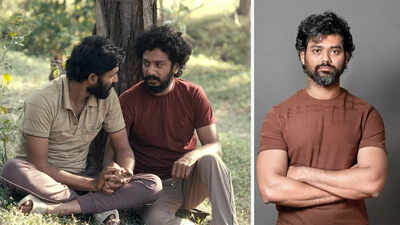
A still from the film; (right) director Rohan Kanawade

Rohan Kanawade

Still from Avinash Arun's Killa and Payal Kapadia's All We Imagine As Light
Parasite had premiered at a film fest and people lapped it up. Fandry and Killa too were what we call “festival films”. Quentin Tarantino premieres his films at film fests. So, I think we need to get out of this mentality that indie films are beyond understanding
Rohan Kanawade
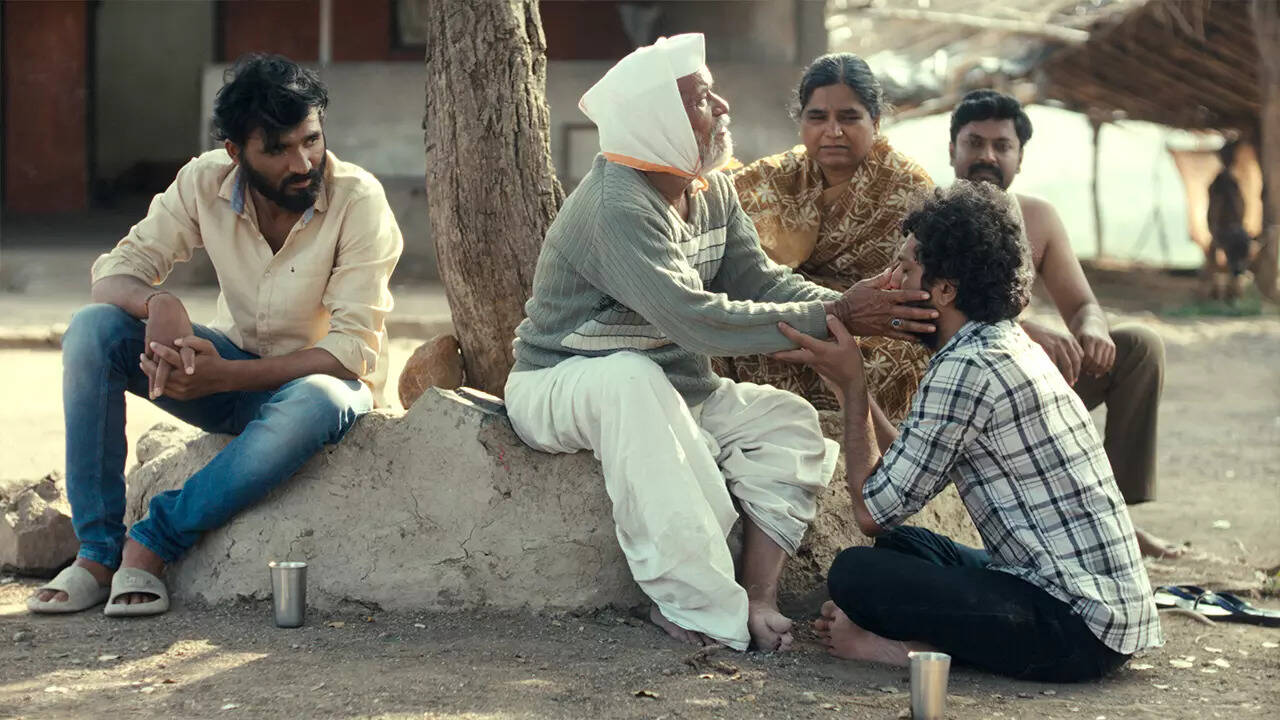
A still from Sabar Bonda
End of Article
Follow Us On Social Media








Tired of too many ads?go ad free now
entertainment videos
Featured In Movies

Tired of too many ads?go ad free now
Hot on the Web
Salman KhanRobo Shankar Death NewsPM Narendra Modi DietNano Banana AI Image GuideHigh Cholesterol Control TipsSolar Eclipse 2025Jolly LLB 3 Movie ReviewHighest Gold Reserves CountriesHeart AttackJolly LLB 3 First ReviewBrain Eating AmoebaMadharaasi OTT ReleaseJimmy KimmelSolar EclipseSaira BanuHair GrowthLongevityDiabetes Spike FruitsMustard Oil For Hair GrowthRobo Shankar Net WorthFatty Liver SymptomsColon CancerAlcohol ConsumptionLiver Disease SymptomsBloating Relieve RemediesFatty Liver Detox TipsFatty Liver SymptomsDog BreedsElephant Safari National ParkThe Bengal Files Box Office CollectionMahavatar Narsimha OTTBananas With Black PepperGallbladder CancerStop Scrolling Reels In ToiletGlp 1 Weight Loss DrugsTrick To Improve SleepAlmonds Could Lower CholesterolNutrient Deficiencies In WomenYouTube Live UpdateFish Oil SupplementsWatermelon Benefits
Trending Topics
Latest MoviesBollywood MoviesHollywood MoviesTamil Movies 2025Telugu Movies 2025Malayalam Movies 2025Kannada Movies 2025Marathi Movies 2025Bengali Movies 2025Top Rated Movies 2025Best Hindi MoviesBest English MoviesBest Telugu MoviesBest Tamil MoviesBest Malayalam MoviesBest Kannada MoviesBest Bengali MoviesUpcoming Hindi MoviesBest Movies Of All TimeBest Hindi Movies of All TimeLatest English MoviesLatest Malayalam MoviesEnglish TV NewsTamil TV NewsTelugu TV NewsMalayalam TV NewsKannada TV NewsMovie ReviewsBhojpuri Cinema NewsGujarati Cinema News
Popular Categories
Viral NewsK Pop NewsWeb Series NewsAnime NewsUpcoming English MoviesUpcoming Tamil MoviesUpcoming Telugu MoviesUpcoming Malayalam MoviesUpcoming Kannada MoviesFashion TipsTravel NewsEntertainment NewsBollywood NewsTollywood NewsKollywood NewsMollywood NewsFood NewsLatest Hindi MoviesLatest Tamil MoviesParenting TipsHome RemediesWeight LossBeauty TipsParenting TipsHindi VideosHindi Video SongsBhojpuri Music VideosLatest Telugu MoviesBhojpuri Music VideoHindi TV News
Latest News
Daily Shani Predictions, September 22, 2025: Saturn’s Wrath On Solar Eclipse Could Trigger Financial LossesDMart is betting against quick commerce. Should investors do the same?'All We Imagine As Light': Payal Kapadia’s Cannes winner shines in Argentina; gets local releaseTelangana high court suspends information commission notice on RTI appeals‘Mahavatar Narsimha’ zooms past Ahaan Panday and Aneet Padda’s Saiyaara’s 8th week collection ; becomes 2nd biggest 8th week grosser of 2025World Wrestling Championships: Antim Panghal opens India’s account with a bronze'Jimmy Kimmel Live!' cancelled: Stephen Colbert calls out indefinite suspension; 'Blatant assault on freedom of speech'Apple iPhone 17 Series hits stores in India: Massive crowds at Mumbai BKC and Delhi SaketZomato delivery boy attacked in Bengaluru over delayed food delivery‘UK PM was embarrassed’: Trump says Starmer supports his call to ban Russian oil; slams EU, Nato‘Confidence Queen’ off to a slow pace: Changes timings as viewership drops to 0% - Report‘The Tonight Show’ Jimmy Fallon gets political, talks about Jimmy Kimmel’s show being pulled off air - ‘He is a decent, funny, and..’Bryan Johnson reveals 5 simple habits to boost health and mental well-being; “Sleep is the longevity drug…”Robo Shankar's net worth: From struggles to crores, the legacy of a beloved comedianMelania Trump made a strong case for brown during her UK visitIndian student shot dead by US police: What cops claim, what kin allege - 10 things to know about the incidentUnilever’s new CFO: Indian-origin Srinivas Phatak appointed - Who is he?From early dinner to salads: Actress Rekha's day-to-day diet at the age of 70 - deets inside